

Why Vegetable Quality in India Is Declining — And How Modern Farming Can Solve It
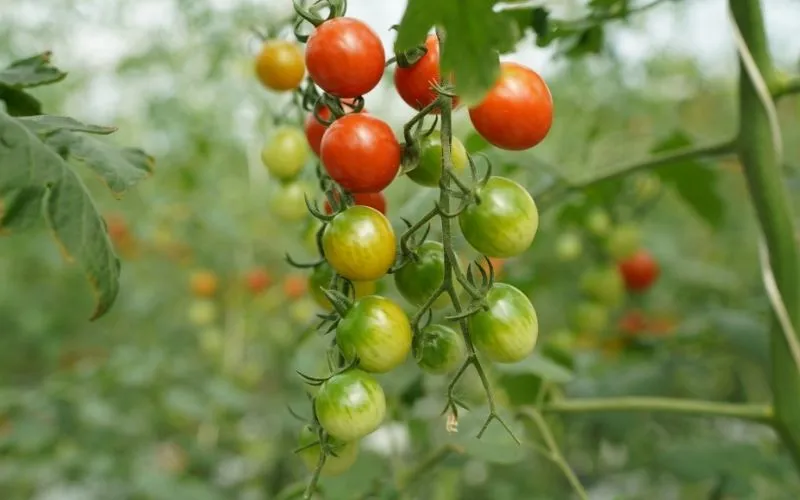
Vegetables play a crucial role in the Indian diet, providing essential vitamins, minerals, and nutrients. However, in recent years, many consumers, retailers, and even chefs have noticed a growing concern — the quality of vegetables in India is gradually declining. From inconsistent taste to shorter shelf life and concerns about chemical residues, these issues are becoming more visible across the supply chain.
Several factors contribute to this problem, including soil degradation, excessive chemical usage, unpredictable climate patterns, and inefficient post-harvest handling. At the same time, innovative farming technologies such as climate-controlled agriculture and hydroponic farming are emerging as sustainable solutions to improve vegetable quality and reliability.
Soil Degradation and Nutrient Loss
One of the biggest challenges facing Indian agriculture today is declining soil health. Continuous farming without proper soil restoration practices has resulted in the depletion of essential nutrients in many agricultural regions.
Farmers often rely on chemical fertilizers to boost crop yields quickly. While this can increase production in the short term, excessive chemical inputs can damage soil structure and reduce microbial activity. Over time, the soil becomes less fertile and less capable of supporting nutrient-rich crops.
When vegetables grow in nutrient-deficient soil, the result is often produce that looks healthy but lacks optimal flavor, nutritional value, and consistency.
Excessive Use of Pesticides
Another major issue affecting vegetable quality is the overuse of pesticides and chemical crop protection products. In conventional farming systems, farmers often depend on these chemicals to protect crops from pests and diseases.
However, heavy pesticide use can create several long-term problems:
- Chemical residue on vegetables
- Reduced soil biodiversity
- Environmental contamination
- Growing consumer concerns about food safety
Today’s consumers are becoming more aware of what goes into their food. As a result, demand for cleaner and residue-free vegetables is increasing across urban markets in India, with many people actively seeking produce grown using more responsible and sustainable farming practices.
Climate Change and Unpredictable Weather
Agriculture is heavily dependent on weather conditions, and climate change is making farming more unpredictable than ever. Rising temperatures, irregular rainfall patterns, and extreme weather events can disrupt vegetable cultivation cycles.
For example:
- High temperatures can affect crop growth and flavor development.
- Heavy rainfall can increase the risk of fungal infections and crop damage.
- Water shortages can limit crop yields and reduce vegetable quality.
These environmental stresses make it difficult for farmers to maintain consistent vegetable quality throughout the year, which ultimately affects supply and pricing in the market.
Supply Chain and Post-Harvest Issues
Even when vegetables are grown successfully, quality can decline significantly after harvest. In many parts of India, vegetables travel long distances before reaching consumers.
During transportation and storage, vegetables often face:
- Lack of temperature control
- Rough handling during transit
- Limited access to cold storage infrastructure
These factors can reduce freshness and shelf life, causing vegetables to lose their taste, texture, and nutritional value before they even reach the market.
The Need for Modern Farming Solutions
To overcome these challenges, the agriculture sector is increasingly exploring modern and technology-driven farming approaches.
One of the most promising solutions is climate-controlled farming, a system where crops are grown in carefully managed environments that allow farmers to control temperature, humidity, nutrients, and water supply.
This approach reduces dependence on unpredictable weather conditions and allows farmers to grow vegetables under optimized growing conditions throughout the year.
How Climate-Controlled Farming Improves Vegetable Quality
Climate-controlled agriculture offers several advantages that directly improve the quality and consistency of vegetables.
Stable Growing Conditions
In a controlled environment, crops are protected from extreme weather conditions, allowing plants to grow in stable and ideal conditions.
Precise Nutrient Management
Advanced hydroponic systems provide plants with the exact nutrients they need at different growth stages. This helps improve both crop quality and nutritional value.
Reduced Chemical Usage
Because crops are grown in protected environments, pest exposure is lower. This helps reduce the need for excessive chemical pesticides, supporting cleaner and safer vegetable production.
Better Taste and Shelf Life
Vegetables grown in optimized conditions often have better flavor, texture, and longer shelf life, making them more appealing to both consumers and retailers.
The Role of Innovative Farming in India’s Future
The future of agriculture in India will likely depend on combining traditional farming knowledge with modern agricultural technology. Solutions such as hydroponic farming, climate-controlled greenhouses, and sustainable agriculture practices can help address the growing challenges of food production.
Innovative agritech companies like Eeki are contributing to this transformation by developing large-scale climate-controlled farms designed to grow high-quality, residue-free vegetables efficiently and sustainably.
By integrating advanced farming technologies with responsible agricultural practices, these systems aim to produce vegetables that are:
- Fresh and nutritious
- Consistent in quality
- Residue-free and safe for consumption
- Grown with efficient water usage
- Produced with minimal environmental impact
Conclusion
Multiple factors, including soil degradation, excessive chemical use, climate change, and supply chain inefficiencies influence the decline in vegetable quality in India. Addressing these challenges requires a shift toward more sustainable and technology-driven farming models.
Modern farming techniques such as climate-controlled agriculture and hydroponic farming in India offer promising solutions to improve vegetable quality while ensuring efficient resource use.
As agricultural innovation continues to evolve, these approaches may play a crucial role in delivering fresh, high-quality vegetables to consumers while supporting a more sustainable future for farming.