

What Happens Before a Vegetable Reaches the Market?
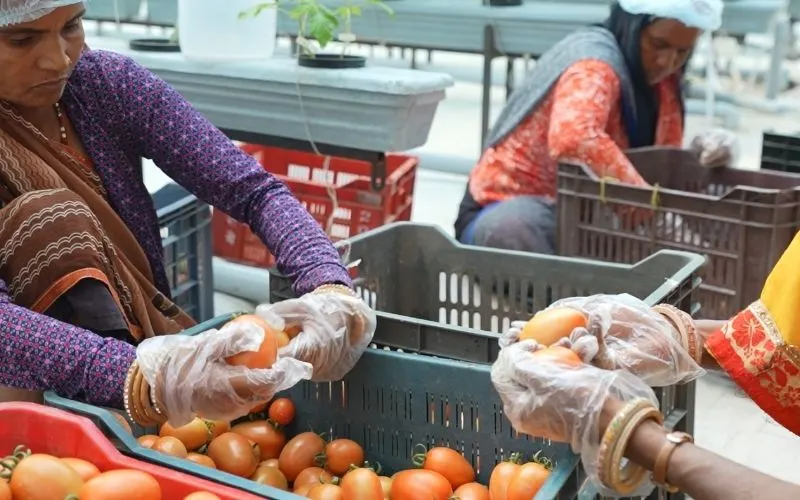
Vegetables on grocery store shelves may look simple and fresh, but their journey from farm to market involves several important stages. From selecting the right seeds to harvesting, sorting, packaging, and transportation, many steps ensure that consumers receive safe and high-quality produce. Understanding this journey helps us appreciate the work behind every vegetable we buy.
1. Seed Selection and Crop Planning
The process begins with choosing the right seeds. Farmers select seeds based on climate, soil type, and market demand. High-quality seeds are essential because they determine the yield, taste, and nutritional value of the vegetables.
Crop planning is also important. Farmers decide:
- Which vegetables to grow
- When to plant them
- How much land to allocate
Proper planning helps ensure that vegetables reach markets at the right time and in sufficient quantity.
2. Cultivation and Growing
Once seeds are planted, the cultivation phase begins. During this stage farmers focus on:
- Irrigation and water management
- Nutrient supply for plants
- Pest and disease control
- Monitoring plant growth
Traditionally, farming depends heavily on weather conditions. Too much rain, extreme heat, or pests can damage crops and reduce yield. Managing these risks is one of the biggest challenges in agriculture.
3. Harvesting the Vegetables
When vegetables reach maturity, they are harvested. Timing is crucial because harvesting too early or too late can affect quality and shelf life.
Harvesting can be done manually or with machines depending on the crop. Farmers handle vegetables carefully to prevent damage, as bruised produce may spoil faster during transportation.
4. Sorting and Quality Grading
After harvesting, vegetables go through sorting and grading. This process separates produce based on size, quality, and appearance.
Typically, vegetables are categorized into:
- Premium quality for supermarkets
- Standard quality for local markets
- Lower grade produce for processing
This step ensures that buyers receive vegetables that meet their expectations in terms of quality and freshness.
5. Packaging and Storage
Once graded, vegetables are packed for distribution. Proper packaging protects produce from damage and helps maintain freshness.
Common practices include:
- Using ventilated crates or boxes
- Maintaining proper temperature
- Reducing moisture buildup
Cold storage and refrigeration are often used for vegetables that need longer shelf life before reaching the market.
6. Transportation and Distribution
The final step before vegetables reach consumers is transportation. Vegetables are transported through a supply chain that may include:
- Local markets
- Wholesale distribution centers
- Retail stores and supermarkets
Maintaining the right temperature and handling during transportation is essential to prevent spoilage. Delays or poor logistics can lead to significant food loss before vegetables even reach the market.
Challenges in the Traditional Vegetable Supply Chain
Although the farm-to-market journey is well established, it also faces several challenges:
- Weather dependency affecting crop yields
- High water usage in traditional farming
- Crop losses due to pests and diseases
- Inconsistent supply and quality
These issues have led to the rise of technology-driven agriculture, which aims to make farming more efficient and sustainable.
How Modern Agritech Is Improving Vegetable Production
Modern agricultural technology is transforming how vegetables are grown and supplied. Innovations such as climate-controlled farming, precision irrigation, and advanced monitoring systems allow farmers to produce vegetables more consistently.
These technologies help:
- Reduce water usage
- Protect crops from extreme weather
- Improve crop yield and quality
- Ensure a more reliable supply to markets
As the global demand for fresh vegetables increases, agritech solutions are becoming an important part of the future of farming.
The Role of Eeki Foods in Modern Farming
Companies like Eeki, an innovative agritech company in India, are working to improve the way vegetables are grown and delivered to markets.
Eeki uses climate-controlled farming systems that allow vegetables to grow in a stable environment regardless of external weather conditions. Their technology helps optimize water usage while maintaining consistent crop quality.
By combining farming expertise with advanced technology, Eeki aims to:
- Produce vegetables sustainably
- Improve efficiency in cultivation
- Ensure reliable supply to consumers
This approach represents how agritech can strengthen the farm-to-market journey while supporting sustainable agriculture.
Conclusion
The journey of a vegetable from farm to market involves much more than planting and harvesting. It includes careful planning, cultivation, harvesting, sorting, packaging, and transportation. Each step plays a crucial role in ensuring that consumers receive fresh and nutritious produce.
With the help of agritech innovations and companies like Eeki, the future of vegetable farming is becoming more efficient, sustainable, and resilient—helping farmers grow better crops while delivering high-quality vegetables to markets around the world.