

Beyond the Soil: Understanding the Difference Between Hydroponic and Organic Produce
When we walk through the grocery aisles, we are often met with a sea of labels: “Non-GMO,” “Certified Organic,” and increasingly, “Hydroponically Grown.” For the conscious consumer, the choice isn’t just about price anymore—it’s about health, sustainability, and the future of our planet.
At Eeki, we believe that understanding where your food comes from is the first step toward a healthier lifestyle. As an agritech company focused on redefining how food is grown, we ask an important question: what exactly is the difference between hydroponic and organic produce? And why is the world shifting toward soil-less farming?
Defining the Two: Soil vs. Solution
Organic Farming
Organic farming is a traditional method that focuses on the health of the soil. To be certified organic, produce must be grown without synthetic pesticides, herbicides, or fertilizers. Instead, farmers use natural compost and manure. The “organic” label is essentially a promise about what wasn’t used during the growing process.
Hydroponic Farming
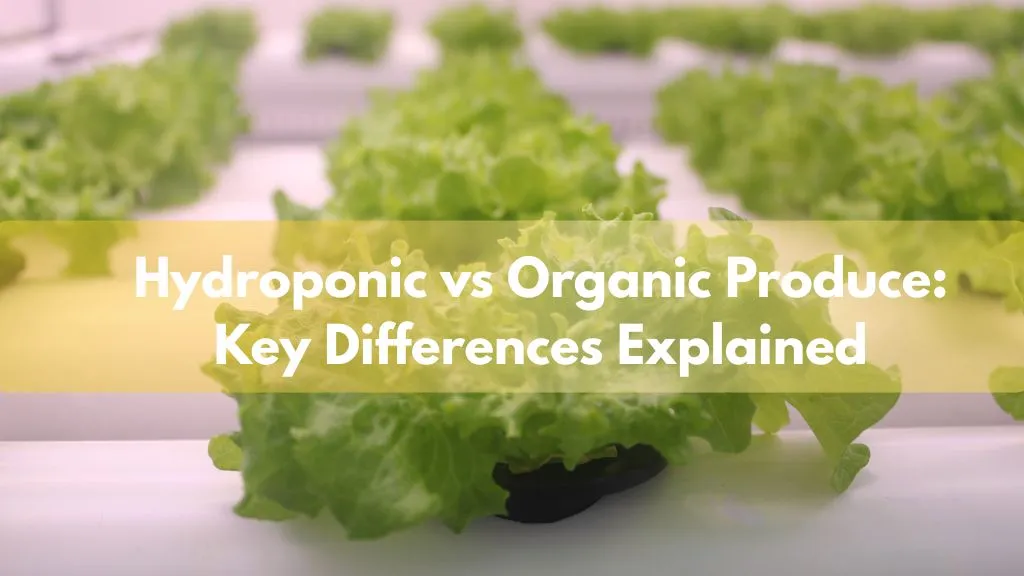
Hydroponic farming, on the other hand, is a modern leap in agricultural technology. Instead of using soil as a medium, plants are grown in nutrient-rich water solutions. Their roots are either submerged directly in the water or supported by inert materials like coco-peat or perlite.
At Eeki, we take this further with our patented technology that creates a perfect Mediterranean climate for plants, regardless of the outside environment.
Why Hydroponics is the Greener Choice
While organic farming is a step up from industrial chemical farming, hydroponics offers environmental advantages that soil-based methods simply cannot match.
Water Conservation
It sounds counterintuitive, but growing plants in water actually saves water. Hydroponic systems recirculate water, using up to 80–90% less water than traditional organic soil farming, where most moisture evaporates or seeps deep into the earth.
Land Efficiency
We are running out of arable land. Hydroponics allows us to grow food in places where the soil is barren or salty. Because we control the environment, we can produce significantly higher yields on a much smaller footprint.
Zero Runoff
Organic fertilizers (like manure) can still run off into local waterways, causing algae blooms and water pollution. Hydroponic systems are “closed-loop,” meaning nothing leaks out into the ecosystem.
Read More: https://eeki.com/hydroponics-myths-vs-reality-investor-insights-by-eeki/
The Nutritional Edge: Precision Growing
There is a common myth that “natural” soil automatically means more nutrients. However, the nutritional value of a plant depends entirely on the minerals it absorbs.
In traditional organic farming, the nutrient density of a tomato depends on the quality of the soil, which can vary wildly from one acre to the next. If the soil is depleted, the produce is depleted.
In Eeki’s hydroponic systems, we use “Precision Nutrition.” We provide the plant with the exact mineral profile it needs at every stage of its life cycle. By optimizing the delivery of potassium, magnesium, and calcium, we can often produce vegetables with higher antioxidant levels and vitamins than their soil-grown counterparts.
Furthermore, because our produce is grown in a controlled, residue-free environment, you get the cleanest possible version of that vegetable—residue-free vegetables that are free from heavy metals often found in contaminated soil.
The Eeki Difference
At Eeki, we aren’t just growing food; we are fixing a broken food system. By choosing hydroponically grown produce, you are choosing vegetables that are crunchier, tastier, and packed with the nutrients nature intended—all while protecting the planet’s most precious resources.
The next time you shop, look beyond the “Organic” label.
Choose the future of farming. Choose Eeki.