

Inside a Modern Farm: Technology That Is Changing Agriculture
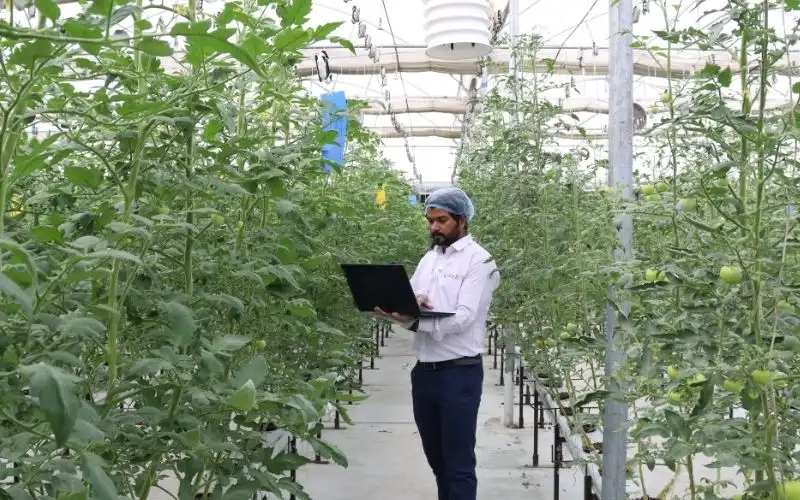
Agriculture is evolving rapidly as technology reshapes how food is grown, managed, and distributed. Traditional farming methods are now being supported by innovative tools and systems designed to improve efficiency, increase crop productivity, and reduce environmental impact.
Modern farms today combine science, data, and sustainable practices to create growing environments that are more reliable and resource-efficient. These advancements are helping farmers address key global challenges such as climate change, limited water resources, and the increasing demand for food.
What Defines a Modern Farm?
A modern farm is very different from the traditional farms most people imagine. Instead of relying only on soil quality, seasonal rainfall, and manual labor, modern agriculture integrates technology-driven systems that help farmers manage crops more precisely.
Some common features of modern farms include:
- Climate-controlled growing environments
- Advanced irrigation systems
- Data-driven crop monitoring
- Precision farming techniques
- Sustainable resource management
These innovations allow farmers to produce higher yields with fewer resources, making agriculture more efficient and resilient.
Climate-Controlled Farming
One of the most significant innovations in agriculture today is climate-controlled farming. In these systems, crops are grown in specially designed structures where temperature, humidity, and light can be carefully regulated.
This controlled environment helps protect crops from unpredictable weather conditions such as extreme heat, heavy rainfall, or frost. By maintaining stable growing conditions, farmers can produce crops consistently throughout the year.
Climate-controlled farming provides several advantages:
- Reduced crop losses due to weather changes
- Improved crop quality and consistency
- Higher productivity per growing cycle
- Better control over plant growth conditions
As climate patterns continue to shift, controlled farming environments are becoming an increasingly important solution for reliable food production.
Hydroponics: Growing Without Soil
Another important technology shaping modern agriculture is hydroponic farming. In hydroponic systems, plants grow without soil and instead receive nutrients through a carefully balanced water solution.
This method offers several benefits compared to traditional soil-based farming:
- Significantly lower water usage
- Faster plant growth
- Better nutrient control
- Reduced risk of soil-borne diseases
Hydroponic systems also allow farmers to grow crops in places where traditional farming may not be practical, such as regions with poor soil quality or limited farmland.
Because nutrients are delivered directly to plant roots, hydroponic farming often results in more efficient and predictable crop production.
Data-Driven Agriculture and Smart Monitoring
Technology is also transforming how farmers monitor and manage their crops. Modern farms increasingly rely on sensors, automation, and data analysis to track environmental conditions and plant health.
Smart monitoring systems can measure factors such as:
- Temperature
- Humidity
- Nutrient levels
- Water usage
- Plant growth patterns
By collecting and analyzing this information, farmers can make more informed decisions about irrigation, nutrient supply, and crop management. This data-driven approach helps reduce waste while improving productivity.
Water-Efficient Farming Systems
Water is one of the most valuable resources in agriculture, and modern farming technologies are helping farmers use it more efficiently.
Innovative systems such as closed-loop irrigation and hydroponic nutrient delivery allow water to be reused instead of being lost through soil absorption or evaporation. In many cases, these systems can reduce water consumption dramatically compared to traditional farming methods.
Efficient water management not only conserves natural resources but also ensures that farms can continue operating effectively even in areas facing water scarcity.
The Role of Eeki in Modern Agriculture
Companies like Eeki Foods are contributing to the transformation of agriculture by developing innovative farming systems that focus on sustainability and efficiency. As an emerging agritech company, Eeki works to integrate modern farming technology with practical agricultural solutions.
Eeki focuses on climate-controlled farming and hydroponic growing systems that allow crops to grow in carefully managed environments. This approach helps ensure consistent growing conditions while reducing dependence on unpredictable weather.
Their farming approach emphasizes:
- Efficient use of water and resources
- Controlled environments for crop growth
- Sustainable agricultural practices
- Reliable production of high-quality produce
By combining technology with sustainable farming methods, Eeki demonstrates how modern agricultural innovation can help build a more resilient food production system.
The Future of Farming Technology
The future of agriculture will likely see even greater integration of technology. Innovations such as artificial intelligence, automation, and advanced monitoring systems are expected to further improve how farms operate.
Future farms may increasingly rely on:
- AI-powered crop monitoring
- Robotics for planting and harvesting
- Advanced climate management systems
- Precision nutrient delivery technologies
These advancements will help farmers produce more food while using fewer natural resources.
Conclusion
Modern farming is no longer defined only by land and labor. Technology now plays a crucial role in shaping how food is produced, helping farmers operate more efficiently and sustainably.
Climate-controlled environments, hydroponic systems, and data-driven farming methods are transforming agriculture into a more innovative and resilient industry. As companies like Eeki Foods continue to develop advanced farming solutions, the future of agriculture looks increasingly sustainable and technology-driven.