

Hydroponics vs Traditional Farming: Which is Better?
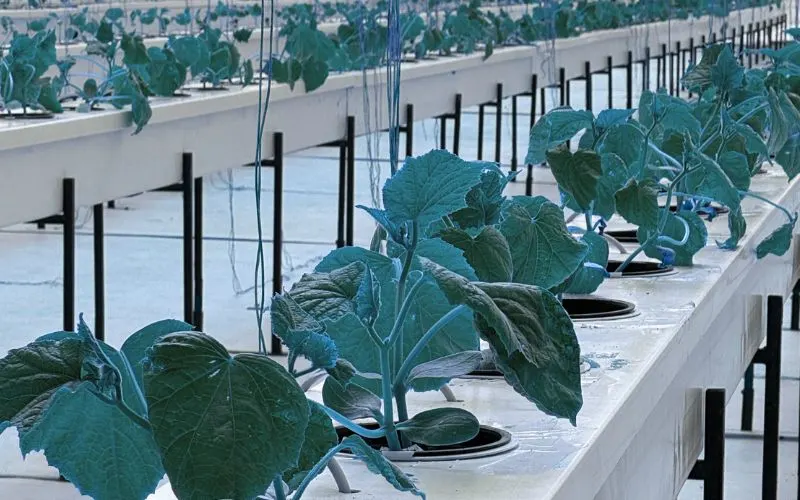
Hydroponics is better for high yield, water efficiency, and controlled farming environments, while traditional farming is better for large-scale crop production and lower initial costs. The best choice depends on your goals, resources, and scale of farming.
What is Hydroponics?
Hydroponics is a modern farming method where plants are grown without soil, using nutrient-rich water solutions. Instead of relying on natural soil fertility, plants receive precisely controlled nutrients directly through water.
This method is widely used in controlled environments like greenhouses and indoor farms, often powered by advanced agritech systems.
What is Traditional Farming?
Traditional farming is the conventional method of growing crops in soil using natural sunlight, rainfall, and seasonal cycles. It has been practiced for thousands of years and remains the backbone of global food production.
Farmers rely on soil health, weather patterns, and natural ecosystems to grow crops.
Hydroponics vs Traditional Farming: Quick Comparison
|
Factor |
Hydroponics |
Traditional Farming |
|
Soil Usage |
No soil required |
Depends on fertile soil |
|
Water Usage |
Uses up to 80–90% less water |
High water consumption |
|
Space Requirement |
Can be vertical & compact |
Requires large land areas |
|
Yield |
Up to 2–4x higher in controlled setups |
Seasonal, slower growth |
|
Climate Dependency |
Controlled environment |
Highly weather-dependent |
|
Initial Cost |
High setup cost |
Lower initial investment |
|
Skill Requirement |
Technical knowledge needed |
Traditional skills sufficient |
Which is More Productive?
Hydroponics clearly leads in productivity.
- Plants grow 30–50% faster due to direct nutrient absorption
- Multiple crop cycles can be achieved year-round
- No dependency on seasons or soil conditions
Traditional farming is limited by:
- Climate variability
- Soil fertility
- Seasonal crop cycles
If your goal is maximum yield in limited space, hydroponics is the better option.
Which is More Sustainable?
Hydroponics Sustainability:
- Uses up to 90% less water compared to soil farming
- Reduces pesticide usage
- Eliminates soil degradation
- Enables urban and vertical farming
Traditional Farming Sustainability:
- Supports biodiversity and natural ecosystems
- Requires fewer artificial systems
- Works in harmony with natural cycles
However, traditional farming often faces:
- Soil erosion
- Chemical runoff
- Excessive water usage
Hydroponics is more resource-efficient, while traditional farming is more ecologically integrated.
Cost Comparison: Which is More Affordable?
Hydroponics:
- High initial setup (infrastructure, systems, monitoring)
- Requires electricity and technical expertise
- Lower long-term waste and higher efficiency
Traditional Farming:
- Lower startup costs
- Higher dependency on land and labor
- Risk of losses due to weather and pests
For beginners and rural farmers, traditional farming is more accessible.
For scalable, high-efficiency agriculture, hydroponics offers better long-term ROI.
Is Hydroponics More Profitable Than Traditional Farming?
Hydroponics farming can be more profitable in the long run due to:
- Higher yield per square foot
- Faster crop cycles
- Reduced water and pesticide costs
However, profitability depends on:
- Initial investment
- Crop type
- Market demand
Traditional farming can still be profitable at scale, especially for staple crops like rice and wheat.
Read More: https://eeki.com/hydroponics-myths-vs-reality-investor-insights-by-eeki/
Can Hydroponics Replace Traditional Farming?
No, hydroponics cannot fully replace traditional farming.
- Staple crops require large open fields
- Rural economies depend on traditional agriculture
- Hydroponics is better suited for high-value crops (leafy greens, herbs, vegetables)
The future lies in a hybrid farming model, combining efficiency with scalability.
Advantages of Hydroponics
- Faster plant growth
- Higher yield per square foot
- Uses significantly less water
- No soil-borne diseases
- Can be done in urban or indoor environments
Limitations of Hydroponics
- High initial investment
- Requires technical knowledge
- System failures can impact crops quickly
- Dependence on electricity and infrastructure
Advantages of Traditional Farming
- Natural and time-tested
- Lower setup costs
- Supports rural livelihoods
- Ideal for large-scale crop production
Limitations of Traditional Farming
- Weather-dependent
- Requires large land areas
- Soil degradation over time
- High water consumption
Final Verdict: Which Should You Choose?
Hydroponics is ideal for efficiency, innovation, and high-density farming, while traditional farming remains essential for scale, food security, and rural economies.
Hydroponics is not a replacement—it’s an upgrade where efficiency, sustainability, and space optimization matter most.
Conclusion
Both hydroponics and traditional farming play crucial roles in modern agriculture. As challenges like climate change, water scarcity, and urbanization increase, hydroponics is emerging as a powerful solution for future farming.
At the same time, traditional farming continues to support global food systems and livelihoods.
The smartest path forward is integration—using the strengths of both systems to build a more sustainable agricultural future.
If you’re exploring innovative farming solutions or looking to collaborate with a forward-thinking agritech company, solutions from companies like Eeki are helping redefine modern agriculture by making hydroponics more scalable, efficient, and commercially viable.